Subscribe Now
Hashimoto’s Thyroid Disease Diet
When your body produces antibodies that cause a disruption in the way your thyroid gland works it is called Hashimoto’s disorder. Another name for this autoimmune disorder is Hashimoto’s thyroiditis. In the case of this disease, the thyroid becomes underactive and inflamed which is called hypothyroidism. You can treat hypothyroidism with a therapy comprised of hormone replacement medication to prevent serious complications from arising. Some nutritional supplements may also help if you include them in your daily routine. There are also some foods you need to be aware of that might interfere with the medication you are given to help with your thyroid disease. If you are on medication, you should make every attempt to avoid them.
There are symptoms and signs for Hashimoto’s Disease
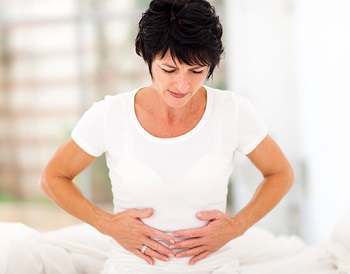 Hashimoto’s disease can have a wide variety of symptoms that may include cold sensitivity, dry skin, fatigue, constipation, hoarseness, puffy face, hair loss, high cholesterol, memory loss, weight gain, irritability, joint aches, muscle aches, flaky nails, weakness, heavy periods, depression, and prolonged periods. If it remains untreated, Hashimoto’s disorder can cause goiter, meaning an enlargement of the thyroid gland, enlarged heart and even possibly heart failure, slowed mental capacity, severe depression,
Hashimoto’s Disease does have medication available
Levothyroxine is the drug that can easily treat the hypothyroidism that will result from Hashimoto’s disorder. This medication will replace thyroxine that is no longer produced by the thyroid gland. This medication also will work if your thyroid is producing thyroxine in an insufficient quantity. You will notice that you will start to feel healthy once you start taking the prescribed medication. Your doctor will recommend you get a blood test once every six to twelve months so you can make sure that your levels of thyroxine remain normal. You will probably need to remain on the medication forever.
There are supplements and food that may aid in the alleviation of your symptoms
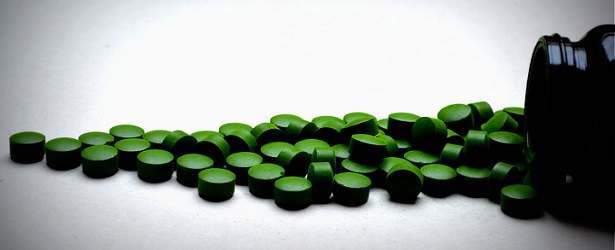
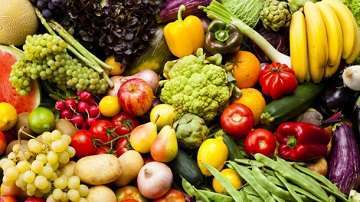 The U of M Medical Center suggests eating foods that are whole grain and have high amounts of iron and Vitamin B if you are diagnosed with Hashimoto’s disease. Try to include fresh vegetables and fruits along with other foods that contain antioxidants in your daily diet. Fish oil may also help to increase your immunity and possibly L-tyrosine supplements will help you create more of your own thyroid hormone. Some herbs may also be helpful such as guggul extract and coleus extract. These may be taken a couple times daily and has been known to help the activity of a low thyroid. Make sure you ask your physician before you try and of the herbal remedies or supplements recommended.
Try to avoid certain supplements and foods
You should try to avoid any supplements that contain iodine because they may actually be responsible for causing hypothyroidism. Also, products containing soy or iron supplements may somehow interfere with the medication you are supposed to be taking for your thyroid condition. Cruciform and leafy greens, like spinach, kale, Brussel sprouts, broccoli, mustard greens and cauliflower may cause your condition to worsen. Also, peanuts, millet, and pine nuts will also cause a worsening of Hashimoto’s disorder. Also make sure you tell your physician if your daily regimen includes calcium supplements, high cholesterol medication, or antacids. These can cause problems with the effectiveness of thyroid medication. If you have blood pressure problems or ulcers, your doctor also should be notified because they also can interfere with the thyroid medication you are taking.


 There are substantial effects in the function of sexual arousal in men who have experienced changes in the function of their thyroid. In the case of either hyperthyroidism or hypothyroidism, there were problems in sexual function as reported in a study from December 2005 in a publication from the “Journal of Clinical Endocrinology & Metabolism.” There were studies performed on a group including 34 men who had hyperthyroidism. In 50% of the cases, the men experienced early ejaculation. 15% of the same group also experienced erectile dysfunction which affected the ability to hold an erection.
 Fruits that are colorful
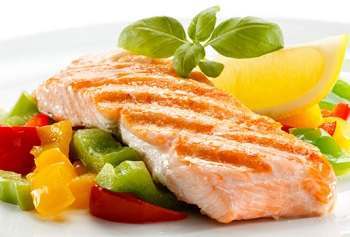
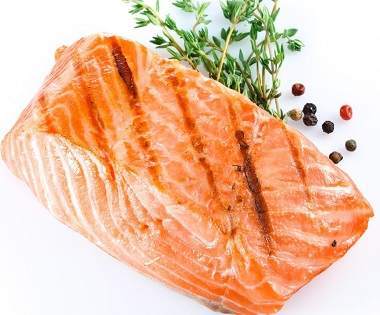 Salmon, herring, albacore tuna, lake trout, halibut, sardines, and flounder have omega-3 in them. Omega-3 is an essential fat that is linked to heart health and good brain function. The University Of Maryland suggests if you have thyroid disease, you should eat items containing omega-3 to reduce inflammation in addition to raising your immunity. Cold-water fish will provide other nutrients besides protein sources that are high in fat, like processed or red meats.
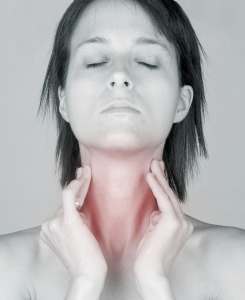 The usual reason for hypothyroidism is Hashimoto’s thyroiditis as reported by the Thyroid Association of America. This happens when there are cells that make up the gland in the thyroid that get attacked by the cells that make up the immune system of the body. The thyroid cells are destroyed which creates a deficiency of thyroid hormones. The glands of the pituitary then produce TSH which is a hormone that stimulates the thyroid and make additional hormones of the thyroid. This causes goiter which is extreme inflammation in the thyroid.

 When the thyroid storm occurs, there is a large intensification in the heat the body produces. Fever is the trademark symptom of this disease. There was an article published in 2006 in a journal that emphasizes that how high the fever will indicate how severe they thyroid storm may be. Drs. Kenneth Burman and Bindu Nayak stated fever will give them important information as to how far the thyroid storm has progressed. Patients with this disease will profusely sweat in an attempt for the body to cool down.
 A thyroid storm definitely reduces higher functions of the brain including reason, perception, judgement and comprehension. As the disease progresses, symptoms of a dysfunction of the central nervous system will occur. This will result in more confusion and agitation, along with psychosis and paranoia. This was stated by Drs. Leonard Wartofsky and Joanna Klubo-Gwiezdzinska in their article called “Thyroid Emergencies”. This was published by the Dept. of Critical Care Medicine at the University of Pittsburgh. If the thyroid storm is severe, the amount of disturbance of the mental faculties of the patient will be severe. Therefore, if there is a presence of psychosis or paranoia, there more than likely will be a severe emergency medical situation.
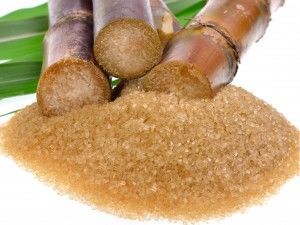 Added sugars like brown sugar, rice syrup, fructose, cane sugar, corn syrup, maltose and fructose, increase sweetness and calories but doesn’t benefit nutrition at all. Additional sugars also cause fluctuations in your energy level, mood and blood sugar. It also makes it harder to manage your weight and appetite. If you fill up on sugary foods, you don’t have room for naturally sweet items that are good for patients with hypothyroidism, like cherries and blueberries. In order to lower your intake of sugar, replace honey and sugar in coffee or tea with stevia. This is a sweet-tasting, calorie-free herb with
 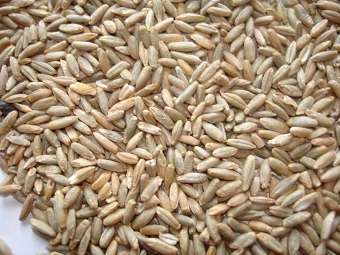 Wheat, rye and barley have a storage protein called gluten. There is a correlation between thyroid disease and gluten intolerance. An article published in the November, 2010 issue of “Today’s Dietician”, states that it may be difficult to notice a gluten intolerance if you are diagnosed with hypothyroidism. Many of the symptoms are the same including abdominal pain, digestive problems and bloating.